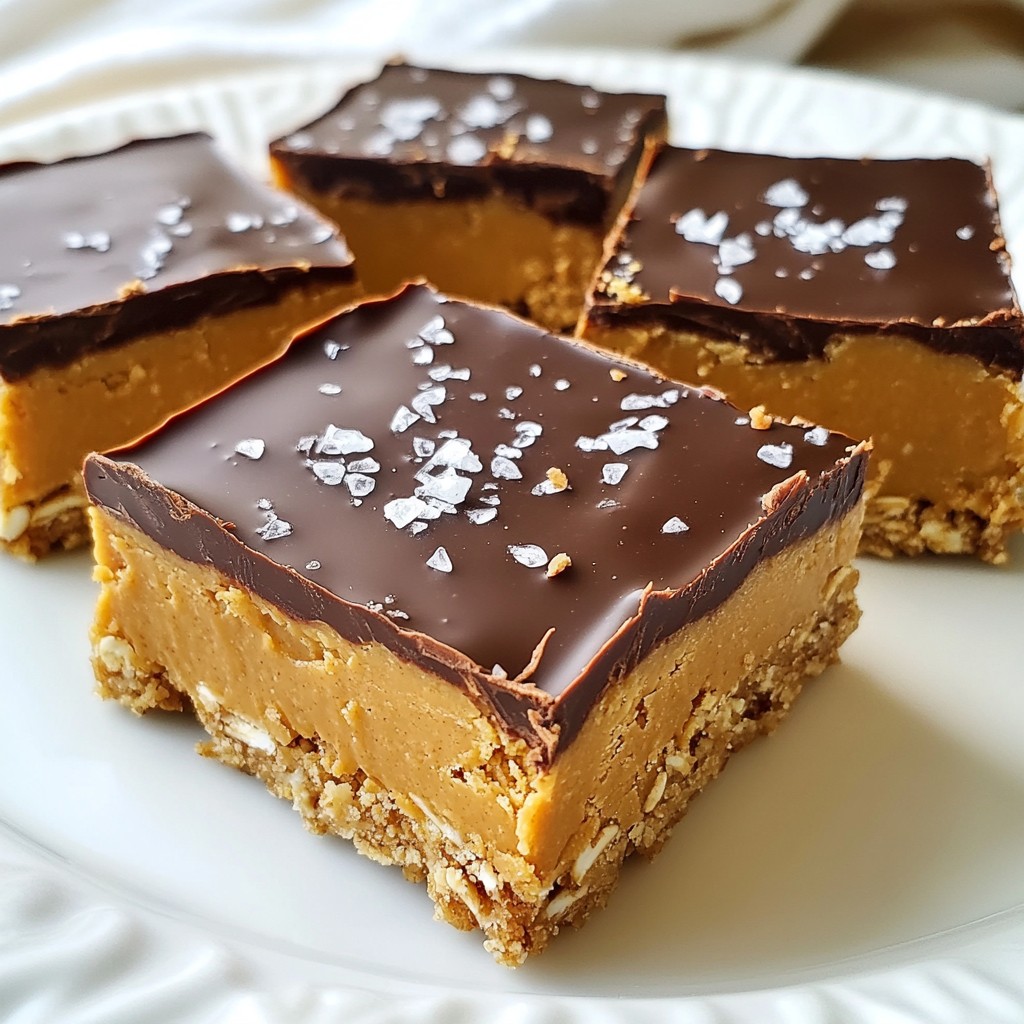

If you crave cookies that melt in your mouth, you’re in for a treat! My recipe for soft and chewy sugar cookies will be your new favorite. With just a few simple ingredients, these cookies are easy to make and hard to resist. Whether you’re a baking pro or a newbie, I’ll guide you step-by-step to cookie perfection. Let’s dive into the deliciousness!
Why I Love This Recipe
- Soft and Chewy: These cookies have a delightful soft and chewy texture that makes them irresistible, perfect for satisfying any sweet tooth.
- Quick to Make: With a prep time of just 15 minutes, you can whip up a batch of these delicious cookies in no time!
- Customizable Flavor: The addition of almond extract is optional, allowing you to tailor the flavor to your preference.
- Perfectly Sweet Finish: Dusting the cookies with powdered sugar adds a beautiful presentation and an extra touch of sweetness.
Ingredients
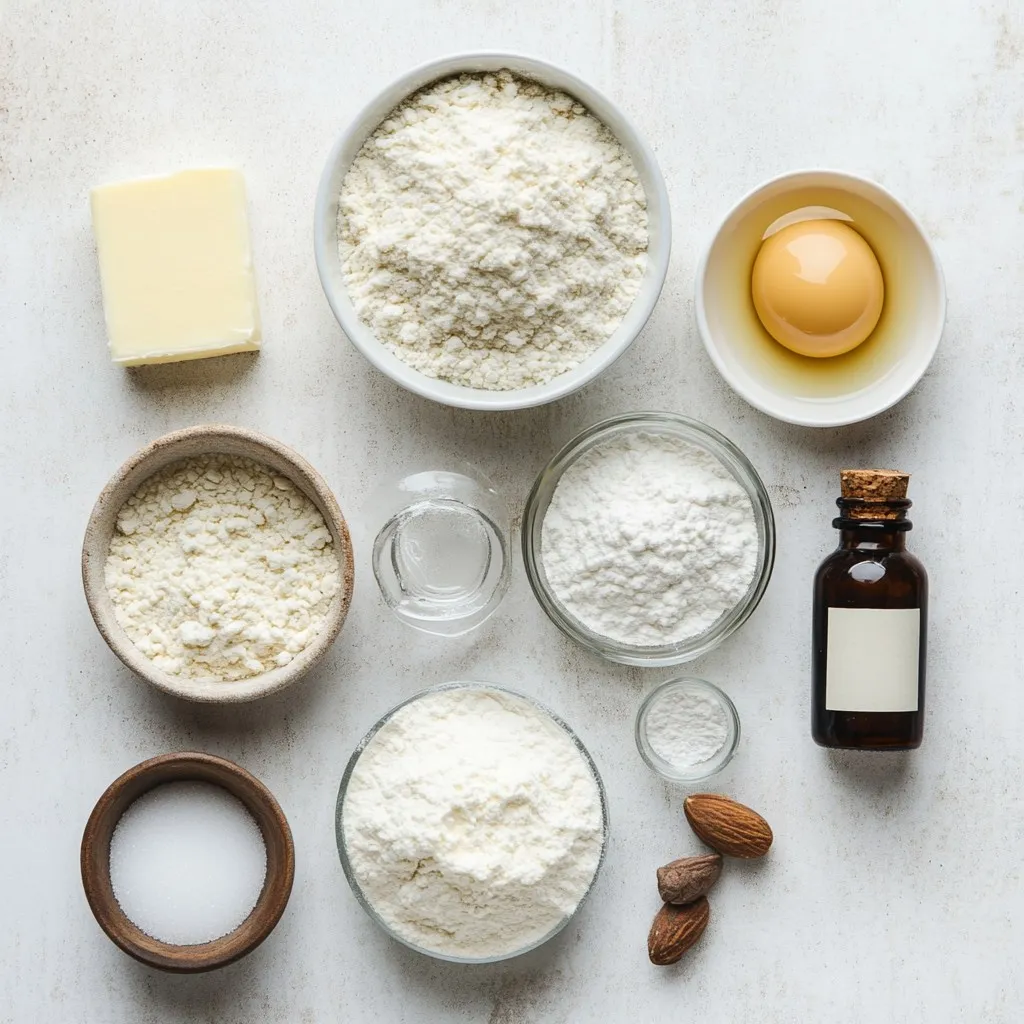
List of Ingredients
To make soft and chewy sugar cookies, gather these simple ingredients:
– 2 ¾ cups all-purpose flour
– 1 teaspoon baking soda
– ½ teaspoon baking powder
– 1 cup unsalted butter, softened
– 1 ½ cups white sugar
– 1 egg
– 1 teaspoon vanilla extract
– ½ teaspoon almond extract (optional)
– ¾ cup powdered sugar for dusting
– ½ teaspoon salt
Measurements and Substitutions
Each ingredient plays a key role in the cookie’s texture and taste. Use the exact amounts for the best results. If you need a substitute:
– For unsalted butter, you can use salted butter. Just skip the added salt.
– If you run out of powdered sugar, you can make your own by blending regular sugar until fine.
Optional Add-ins or Variations
You can customize these cookies to fit your taste. Here are some fun ideas:
– Add ½ cup of chocolate chips for a sweet twist.
– Use ½ cup of chopped nuts for extra crunch.
– Swap half of the white sugar for brown sugar for a richer flavor.
– For a seasonal touch, add a pinch of cinnamon or nutmeg.
These variations keep things exciting and let you explore new flavors!
Step-by-Step Instructions
Prepping the Oven and Baking Sheets
First, set your oven to 350°F (175°C). This step is key for soft cookies. Next, line your baking sheets with parchment paper. This makes cleanup easy and helps cookies bake evenly.
Mixing Wet Ingredients
In a large bowl, cream together 1 cup of softened unsalted butter and 1 ½ cups of white sugar. Mix until it looks smooth and fluffy. This creates a rich base for your cookies. Then, beat in 1 egg. After that, add in 1 teaspoon of vanilla extract and, if you like, ½ teaspoon of almond extract for a nutty twist. Make sure to mix well until everything is combined.
Combining Dry Ingredients
In a medium bowl, whisk together 2 ¾ cups of all-purpose flour, 1 teaspoon of baking soda, ½ teaspoon of baking powder, and ½ teaspoon of salt. This mixture gives structure to your cookies. Once it’s well blended, set it aside for now.
Forming and Baking the Cookies
Gradually add the dry mix to the wet ingredients. Stir gently until just combined. You want soft dough, so avoid overmixing. Use a cookie scoop or tablespoon to drop rounded balls of dough onto your baking sheets. Space them about 2 inches apart. Bake your cookies for 8-10 minutes. The edges should be lightly golden, while the centers stay soft.
Cooling and Dusting
After baking, take the cookies out of the oven. Let them cool on the baking sheet for a few minutes. Then, transfer them to a wire rack to cool completely. Once cooled, dust the cookies with ¾ cup of powdered sugar. This adds a sweet finish and makes them look inviting. Enjoy your soft and chewy sugar cookies!
Tips & Tricks
Achieving the Perfect Soft and Chewy Texture
To make soft and chewy sugar cookies, start with room-temperature butter. This helps create a smooth and fluffy dough. Be sure to cream the butter and sugar well. Mix until it looks light and fluffy. This step adds air to your dough.
Use a little less flour than usual. Too much flour makes cookies dry. Follow the recipe closely for the right flour amount. Also, avoid overmixing the dough. Stop mixing as soon as the dry and wet ingredients blend.
Bake the cookies just until the edges are golden. The centers should look soft. They will continue to cook on the baking sheet after you take them out. This keeps them soft and chewy.
Common Mistakes to Avoid
One common mistake is using cold butter. Cold butter does not mix well, leading to dense cookies. Always let your butter sit out for about 30 minutes before using.
Another mistake is overbaking. Keep an eye on your cookies. They bake quickly, so set a timer for 8 minutes. Check them, and if needed, add a minute or two.
Finally, don’t skip the cooling step. Let the cookies sit for a few minutes on the baking sheet. This helps them firm up without getting hard.
How to Store Leftover Cookies
To keep cookies fresh, place them in an airtight container. This keeps them soft and chewy for days. Add a slice of bread to the container. The bread helps keep the cookies moist.
If you want to save cookies for longer, freeze them. Wrap each cookie in plastic wrap. Place the wrapped cookies in a freezer bag. They can stay fresh for up to three months in the freezer. When you’re ready, just thaw them at room temperature. Enjoy the tasty treat!
Pro Tips
- Chill the Dough: For an even more tender cookie, chill the dough for at least 30 minutes before baking. This helps the flavors meld and results in a better texture.
- Don’t Overbake: Keep a close eye on the cookies as they bake. They should be lightly golden on the edges while remaining soft in the center for that perfect cloud-like texture.
- Experiment with Flavors: Feel free to add your favorite mix-ins, like chocolate chips or nuts, for a personalized touch. Just be sure not to add too many to keep the dough’s integrity.
- Use Fresh Ingredients: Ensure your baking powder, baking soda, and extracts are fresh for the best flavor and rise. Stale ingredients can affect the final outcome of your cookies.
Variations
Flavor Additions
You can make these sugar cookies even more fun with extra flavors. Adding chocolate chips makes them rich and sweet. You can also mix in nuts like walnuts or pecans for a crunchy bite. If you want a fruity twist, try adding dried cranberries or lemon zest. Each flavor brings a new vibe to your cookies.
Different Sugar Options
Switching up the sugar can change the taste and texture. Brown sugar adds moisture and a hint of caramel. Coconut sugar offers a subtle, unique flavor. You can mix white sugar and brown sugar for the best of both worlds. This mix keeps the cookies soft while adding depth to the flavor.
Gluten-Free Adaptations
If you’re gluten-free, you can still enjoy these cookies. Use a gluten-free all-purpose flour blend. Make sure it has xanthan gum for the right texture. You can also try almond flour for a nutty flavor and chewy texture. These swaps will still give you a delicious treat to enjoy!
Storage Info
Best Way to Store Cookies
To keep your soft and chewy sugar cookies fresh, use an airtight container. Place sheets of parchment paper between layers to avoid sticking. Store the cookies at room temperature. This method will retain their texture and flavor. If you live in a humid area, consider placing a slice of bread in the container. The bread will help absorb moisture and keep the cookies soft.
Freezing Instructions
Freezing cookies is a great way to save some for later. Start by letting the cookies cool completely. Then, arrange them in a single layer on a baking sheet. Freeze for an hour. Once frozen, transfer the cookies to a freezer-safe bag. Remove as much air as possible and seal tightly. You can freeze them for up to three months. When ready to enjoy, thaw them at room temperature for about an hour.
Shelf Life for Optimal Freshness
These cookies are best eaten within a week. If stored properly, they can last up to ten days. After that, they may start to lose their softness. For the best taste and texture, enjoy them fresh or within the first week. Always check for any signs of spoilage before indulging.
FAQs
What makes cookies soft and chewy?
To make cookies soft and chewy, you need to balance ingredients. Using more brown sugar helps. It adds moisture and gives a nice flavor. Also, don’t overbake your cookies. Remove them when the edges are golden and centers are soft. This keeps them chewy.
Can I use margarine instead of butter?
Yes, you can use margarine instead of butter. However, the taste may change slightly. Butter gives cookies a rich flavor. If you use margarine, choose one that is spreadable. This will help keep your cookies soft.
How do I prevent cookies from spreading too much?
To prevent spreading, chill your dough for at least 30 minutes. This firms up the butter. Also, make sure your baking sheets are not too warm. A hot surface can cause the cookies to spread. Lastly, use the right amount of flour. Too little can make cookies flat.
Can I double the recipe?
Absolutely! Doubling the recipe is easy. Just use double the amount of each ingredient. Make sure you have enough room on your baking sheets. You may need to bake in batches if your oven is small.
What’s the best way to reheat cookies?
To reheat cookies, use your oven. Preheat it to 350°F (175°C). Place cookies on a baking sheet for about 5 minutes. This will warm them up while keeping them soft. You can also microwave them for 10-15 seconds, but check to avoid overheating.
You learned about key ingredients that make great cookies. I shared step-by-step baking tips. We discussed ways to add flavors and options for different diets. Plus, you now know how to store cookies for freshness.
Baking cookies is fun and rewarding. With these tips, you can avoid common mistakes. Enjoy soft, chewy cookies that impress your family and friends! Happy bakin