Ready to impress your friends with the perfect tart? I’ll show you how to make Classic Pâte Sucrée, a sweet pastry dough that forms the base of delicious tarts. In this easy recipe, I’ll guide you through simple ingredients and steps to create a crumbly and rich crust. Whether you’re a beginner or a pro, this recipe adds a touch of elegance to any dessert. Let’s get started!
Why I Love This Recipe
- Perfectly Sweet: This pâte sucrée strikes the ideal balance of sweetness, making it a versatile base for both fruit tarts and rich chocolate desserts.
- Easy to Make: With just a few simple ingredients and straightforward steps, this recipe is perfect for both novice and experienced bakers.
- Chill Time Benefits: Chilling the dough not only enhances the flavor but also ensures a flaky, tender texture that holds its shape beautifully during baking.
- Endless Filling Options: This classic crust can be filled with anything from fresh fruits to creamy custards, allowing for endless creativity in your baking.
Ingredients
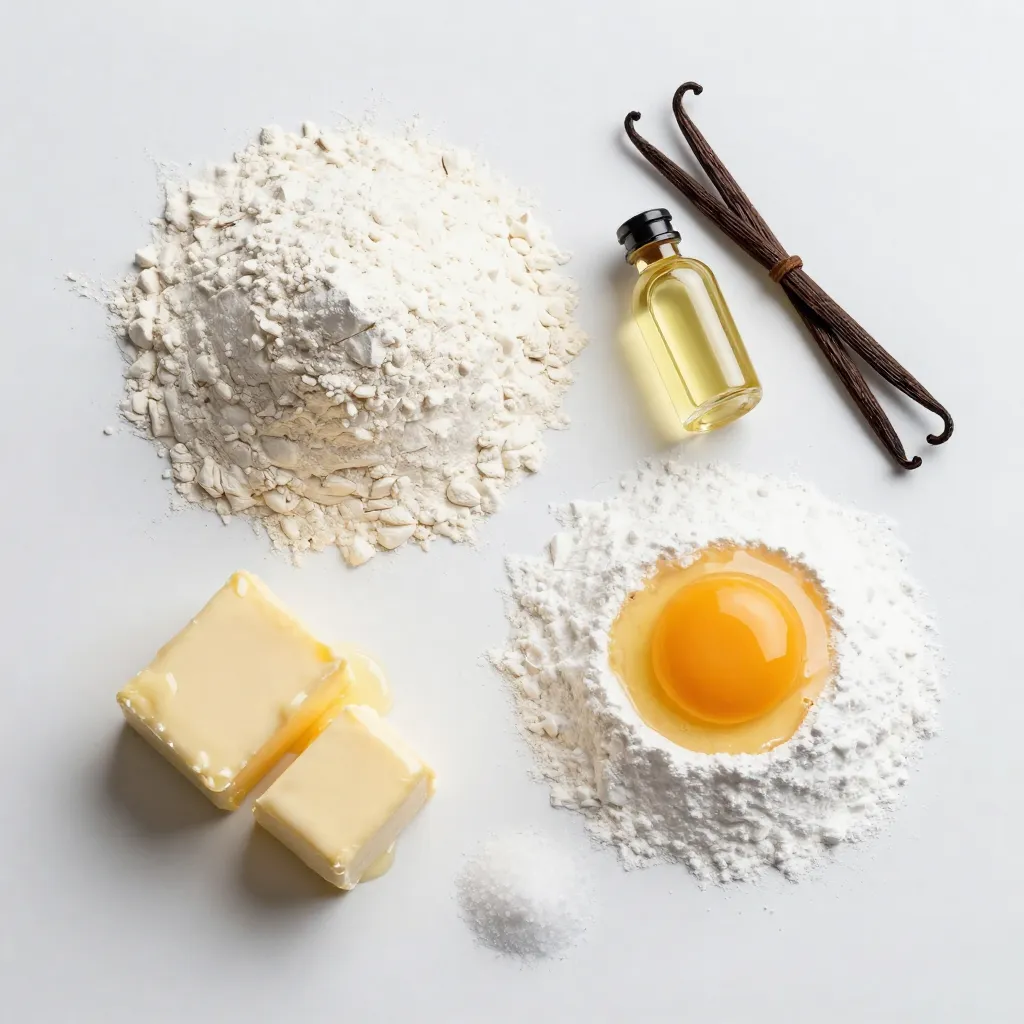
To make the perfect classic pâte sucrée, you need just a few simple ingredients. Each one plays a key role in creating that rich, sweet tart crust. Here is the list of required ingredients:
– 250g all-purpose flour
– 125g unsalted butter, cold and cubed
– 100g powdered sugar
– 1 large egg yolk
– 1 teaspoon vanilla extract
– A pinch of salt
Each ingredient has a purpose. The all-purpose flour gives structure. The cold butter adds a rich flavor and flaky texture. Powdered sugar sweetens the dough, while the egg yolk helps bind everything. Vanilla adds warmth, and salt balances the sweetness.
Make sure your butter is cold. This keeps your dough flaky. Room temperature butter will make it too soft. You want to keep the butter lumps in the flour mix. This helps form layers when baked.
Gather these ingredients before you start. Having everything ready makes the process smooth. It helps you focus on mixing and creating your delicious tart crust.
Step-by-Step Instructions
Detailed Preparation Steps
1. Mixing dry ingredients
Start by taking a large bowl. Add 250g of all-purpose flour, 100g of powdered sugar, and a pinch of salt. Whisk these dry ingredients together until they blend well.
2. Incorporating the butter
Cut 125g of cold unsalted butter into small cubes. Add the butter to your flour mix. Use your fingers or a pastry cutter to work the butter into the flour. Keep mixing until it looks like coarse crumbs.
3. Adding wet ingredients and forming dough
Make a well in the center of the crumbly mix. Add 1 large egg yolk and 1 teaspoon of vanilla extract into the well. Use a fork to mix these wet ingredients with the dry ones until they start to come together.
4. Chilling the dough
Turn the dough onto a lightly floured surface. Knead it gently just until it forms a ball. Don’t over-knead, as this can make the dough tough. Shape it into a disk, wrap it in plastic wrap, and chill it in the fridge for at least 30 minutes.
Rolling and Baking
1. Rolling out the dough
After chilling, remove the dough from the fridge. On a floured surface, roll it out to about 1/8 inch thick. Make sure it stays even as you roll.
2. Transferring to tart pan
Carefully lift the rolled dough. Place it into a tart pan, pressing it into the edges. Trim any extra dough that hangs over the sides.
3. Baking time and temperature
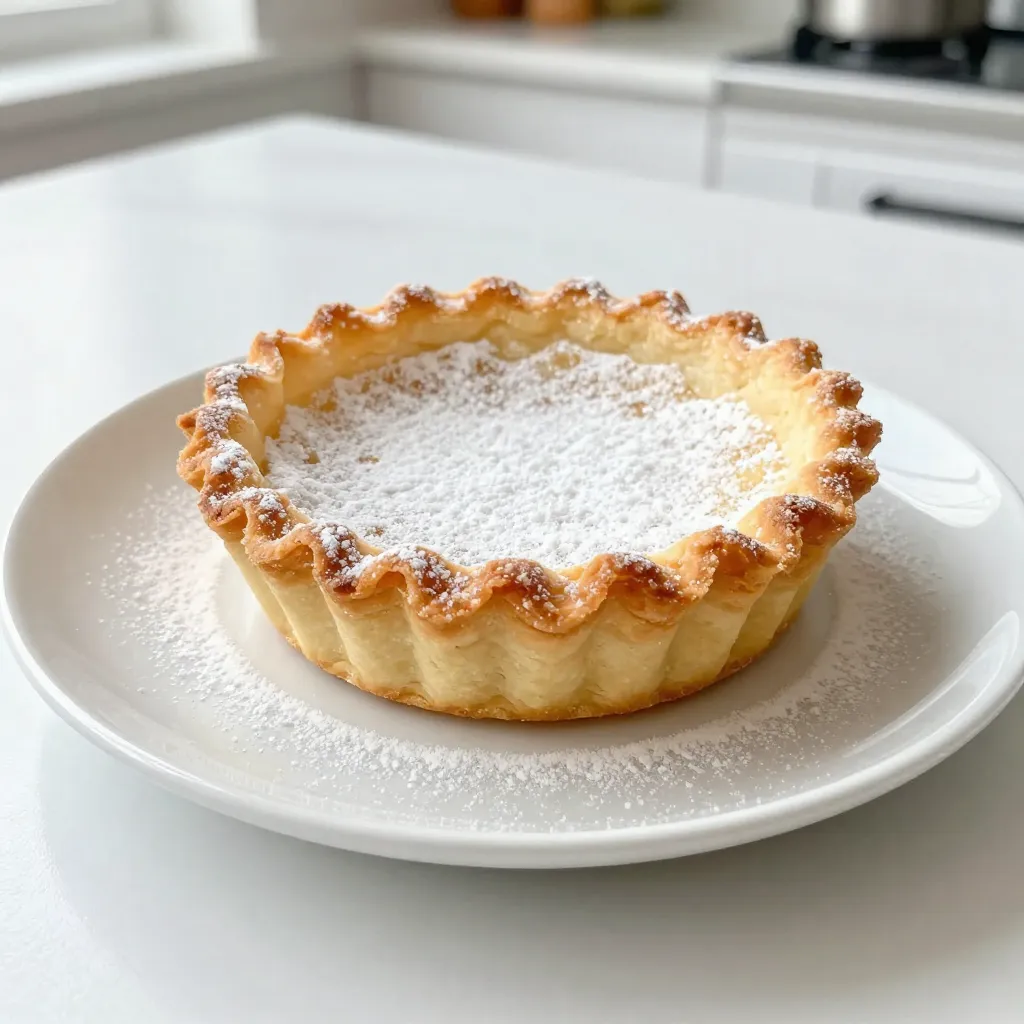
Preheat your oven to 180°C (350°F). Before baking, prick the dough’s bottom with a fork. This helps prevent bubbles. Bake for 20-25 minutes until the crust turns lightly golden. Let it cool before filling it with your favorite ingredients.
Tips & Tricks
Perfecting Pâte Sucrée
– Using cold ingredients: Start with cold butter and egg yolk. Cold ingredients help keep the dough tender. Warm butter can make the crust tough.
– Avoiding over-kneading: When you knead the dough, do it gently. Knead just until it comes together. Too much kneading makes the crust hard.
– Optimal chilling techniques: After mixing, wrap the dough and chill it. Let it sit for at least 30 minutes. Chilling helps the dough firm up and makes it easier to roll out.
Presentation Suggestions
– Serving ideas for filled tarts: Fill your tart with fresh fruits, creamy custard, or rich chocolate ganache. Each filling adds a unique taste and look.
– Dusting techniques with powdered sugar: Lightly dust the top of your tart with powdered sugar. This adds a sweet touch and makes it look fancy.
– Enhancing flavors with glazes or toppings: Try adding a glaze or topping to your tart. A fruit glaze can brighten flavors and add shine. Use toppings like whipped cream for extra richness.
Pro Tips
- Chill Your Ingredients: Ensure that both the butter and the dough are chilled before working with them. This helps maintain the flakiness of the crust.
- Don’t Overwork the Dough: When mixing and kneading, avoid overworking the dough to keep it tender and prevent it from becoming tough.
- Prick the Dough: Pricking the bottom of the dough before baking prevents it from puffing up and ensures even cooking.
- Use a Tart Ring: For a more professional look, use a tart ring instead of a pan. This allows for cleaner edges and a more even bake.
Variations
Flavor Enhancements
You can easily change the taste of your pâte sucrée. Here are some fun ways to do it:
– Adding almond flour: Mixing in almond flour gives your dough a nutty flavor. Use half the amount of all-purpose flour and replace it with almond flour. This adds depth and richness to your crust.
– Infusing other flavors: Adding zest from citrus fruits can brighten your dough. Try lemon or orange zest. Just a teaspoon can make a big difference.
These little tweaks can change how your tarts taste. Experiment with different flavors to find your favorite.
Alternative Ingredients
If you need to adjust for dietary needs, there are great swaps for this recipe:
– Gluten-free options: Use a gluten-free flour blend in place of all-purpose flour. Make sure it has xanthan gum to help with texture.
– Vegan substitutes: Replace the butter with a plant-based butter. For the egg yolk, use a flaxseed meal mix. Combine one tablespoon of flaxseed meal with three tablespoons of water. Let it sit until it thickens.
These substitutions keep the flavor while making it friendly for different diets. Enjoy creating your perfect pâte sucrée!
Storage Info
Storing Unbaked Dough
To keep your unbaked dough fresh, wrap it tightly in plastic wrap. This prevents it from drying out. Store it in the fridge for up to three days. If you want to keep it longer, freeze the dough.
– Freezing dough for future use: Shape the dough into a disk before wrapping. Place it in a freezer-safe bag. It can last up to three months in the freezer. When ready to use, thaw it in the fridge overnight.
Storing Baked Crusts
After baking, let the crust cool completely. To keep it fresh, store it in an airtight container. This helps maintain its crispness.
– Duration and conditions for optimal storage: A baked tart shell stays fresh for up to three days at room temperature. If you need to store it longer, place it in the fridge. It can last up to a week in the fridge. Just make sure to cover it gently with plastic wrap to avoid moisture.
FAQs
What can I use instead of powdered sugar?
You can use granulated sugar in a pinch. Just blend it until fine. This gives a similar sweetness but may change the texture slightly.
How do I know when the crust is done baking?
Look for a light golden color. The edges should be firm, and the center should feel set. If it looks too pale, give it a few more minutes.
Can I make this dough in advance?
Yes, you can! Make the dough and chill it. It keeps well in the fridge for up to two days. You can also freeze it for up to three months. Just thaw it in the fridge before using.
What is the difference between Pâte Sucrée and Pâte Brisée?
Pâte Sucrée is sweeter and richer due to the sugar and egg yolk. It has a crumbly, tender texture, perfect for sweet tarts. Pâte Brisée is not sweet and has a more flaky texture, great for savory dishes.
How long can I store the baked tart crust?
Store the baked crust in an airtight container. It will stay fresh for about four days at room temperature. For longer storage, wrap it well and freeze it for up to three months.
In this post, I covered the essential ingredients and detailed steps to make Pâte Sucrée, from mixing to baking. I shared tips to perfect the dough and ideas for variations. Remember, using cold ingredients helps achieve a flaky crust. Explore flavor enhancements and storage options for future baking. With these insights, you can create delicious tarts tailored to your taste. Enjoy the baking journe